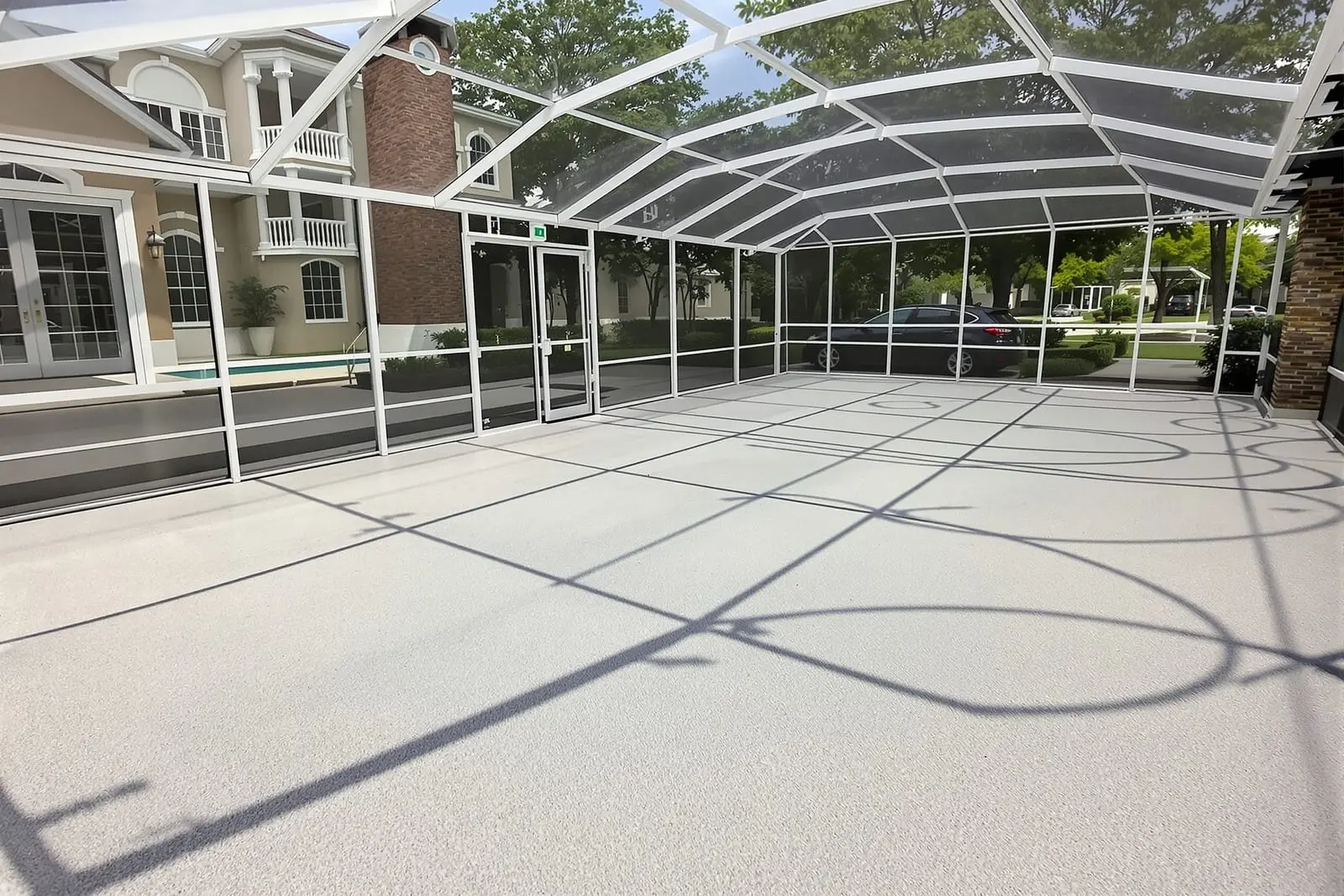
Vista Screens Port Saint Lucie offers complete pool cage rescreening for aging or damaged enclosures in Port Saint Lucie, FL.
Vista Screens Port Saint Lucie offers complete pool cage rescreening for aging or damaged enclosures in Port Saint Lucie, FL. We strip out worn mesh, repair minor frame issues, and install new screening that restores visibility and protection. Extend the life of your pool enclosure with professional rescreening tailored to coastal Florida conditions.
Vista Screens Port Saint Lucie provides professional pool cage rescreening throughout Port Saint Lucie, FL and the surrounding area. Our licensed, insured crew delivers safe, clean, on-time work with a free estimate before anything begins. Call (772) 444-8857 or request your free quote.

If your pool cage screens are torn, sagging, or full of tiny holes, you do not have to replace the entire structure. Pool cage rescreening gives your enclosure a fresh, clean skin so it looks better, works better, and keeps bugs out again. At Vista Screens Port Saint Lucie, we focus specifically on screen work in our local climate, so we know how Florida sun, salt air, and storm winds really affect your enclosure.
Around Port Saint Lucie, customers usually call us when lovebugs, no-see-ums, or mosquitoes start getting through small tears, or when the screen starts to discolor and become chalky. Many cages built 10 to 15 years ago used screen fabric that simply was not designed for today’s UV levels and wind events. Rescreening replaces that older mesh with modern materials that resist stretching, tearing, and fading, which means you get more years out of your next set of screens.
We always begin with an honest assessment. Sometimes only a few panels need to be replaced, other times the entire cage needs a full rescreen. We will point out any loose fasteners, rusted screws, or bent members we see while we are up on the cage so you can decide whether to address minor structural issues at the same time. This way, you are not paying for a beautiful new screen over a weak frame.
Our goal is to make rescreening neat, safe, and as low stress as possible for your household. Vista Screens Port Saint Lucie follows a clear step by step process so you know what is happening at every stage.
First, we protect your pool and deck area. We cover pool surfaces and sensitive equipment to keep debris out of the water, and we set up ladders or staging so no one is walking on the screen frame unless it is engineered for that load. In many Port Saint Lucie homes, cages are tall two story structures, so using the right access equipment is critical to avoid damage.
Second, we carefully remove the old screens. We pull out the existing spline (the rubber cord that holds the screen in place), cut the old mesh into manageable pieces, and bag it for proper disposal. During removal we check each channel (the groove in the aluminum where the spline sits) for damage, old paint, or corrosion that could prevent the new screen from seating correctly.
Third, we prepare and tension the new screen. We roll out the new fabric over each opening with extra overlap, then work it into the channels with the correct spline diameter for your frame. Using spline that is too small is a common shortcut that leads to panels pulling loose in a storm. Our installers use consistent stretching patterns so panels are tight but not over tensioned. This is especially important on large roof panels and wide openings, which are common around Port Saint Lucie pool decks.
Finally, we trim, inspect, and clean up. After all panels are installed, we trim excess mesh, check every corner and seam, and then clean the deck of splines, offcuts, and screws. If requested, we can also flush out gutters attached to the cage, since they often fill with leaves during the work.
Not every customer needs the same type of screen. At Vista Screens Port Saint Lucie, we walk you through options that balance budget, appearance, and durability for this coastal climate.
Standard 18x14 pool and patio screen is the most common choice. It gives good airflow and visibility and keeps out mosquitoes and larger insects. This is a solid option if you are in an area with good breeze and do not have a major no see um problem. It is also the most budget friendly material, which can be helpful on very large cages.
If you live closer to wetlands or on a canal, you might prefer a 20x20 or specialty no see um screen. The tighter weave helps block tiny biting insects that are common during certain months in St. Lucie County. Keep in mind that tighter weaves reduce airflow slightly, so we often combine them strategically, for example, installing no see um mesh on the lower wall sections and standard mesh on the roof for better ventilation.
For homes that take a lot of sun on one side of the cage, we can recommend upgraded UV resistant or premium polyester mesh. These materials hold tension longer and are less likely to develop “belly” or sagging panels. While the upfront cost is higher, they can outlast basic fiberglass by several years in direct Port Saint Lucie sun, which may save you money on future repairs.
We also offer pet resistant screen for lower panels where dogs tend to push or jump. This mesh is thicker and more tear resistant, which helps prevent the cycle of constant patching at the bottom of the cage.
Homeowners often ask why prices for pool cage rescreening vary so much between properties. We like to explain the main factors clearly so you can compare quotes fairly.
The total square footage of screening is the largest cost driver. A small single story lanai will cost much less than a tall, wide, custom cage that covers both a pool and a large patio. We measure each panel carefully rather than guessing, which makes our pricing transparent.
The height and complexity of the structure also make a difference. Two story cages, hip roofs, and many diagonal sections require more labor time and additional safety equipment. In Port Saint Lucie, many homes in planned communities have higher cages to meet architectural guidelines, and that height directly affects how long our crew will be on site.
Material choice matters too. Standard fiberglass mesh with basic spline is more economical upfront. No see um, pet resistant, or long life polyester screens add cost per square foot but often reduce the need for future repairs. Part of our visit is to show you real samples and explain the tradeoffs so you are not paying for more than you actually need.
Lastly, condition of the existing frame can change the scope. If we find stripped screw holes, damaged channels, or rusted fasteners, we will quote optional repairs. Fixing these before installing new screen helps avoid panels popping out under strong wind. We always separate screen costs from structural repair items on the proposal so you can see exactly where your money is going.
Pool cages around Port Saint Lucie share some predictable issues because of our weather patterns and environment. Understanding them helps you decide whether to rescreen now or wait.
UV damage shows up as faded, chalky screen that tears with just a gentle push. Once the mesh reaches this stage, patching individual holes is usually a temporary fix. During rescreening, Vista Screens Port Saint Lucie replaces all brittle panels at once so you are not chasing new rips every rainy season.
Wind and storm stress often cause loose or “drumming” panels, especially on large roof sections. When we rescreen, we inspect the aluminum members for hairline cracks and check that the original installer used appropriate fasteners and bracing. If we see a pattern of loose panels on one side, we may adjust panel layout or recommend slight material upgrades on the windward side.
Corroded screws and fasteners are another common issue in Florida’s humid, salty air. While our primary service on this visit is screen replacement, we can replace rusted screws at critical connection points at the same time if you choose. This is far easier and more cost effective while the old screen is already removed and access is clear.
Homeowners also ask about algae staining and debris build up on the cage. During rescreening we can soft wash the frame before installing new mesh, which helps the enclosure look uniformly clean once the job is finished.
Rescreening your pool cage is not just about stretching new fabric. It is about protecting your outdoor living space so you can enjoy evenings outside without worrying about bugs, debris, or pets escaping. Vista Screens Port Saint Lucie focuses on screen enclosures in our own community, so our recommendations are based on real jobs we have completed in local neighborhoods, not generic advice.
We show up with the right crew size for your project so most standard rescreens are completed within a day or two, weather permitting. Before we start, we confirm material choice, access points to your yard, and any special concerns, such as landscaping you want us to protect. While we work, we keep walkways clear and secure tools when we leave for the day so your family can still move safely around the property.
You will receive a written proposal that lists the screen type, spline, estimated square footage, and any optional repairs or upgrades. After the job, we walk the enclosure with you, address any questions, and show you how to spot early signs of wear so you can get the most life out of your new screens. If an issue arises related to our installation, we respond promptly and stand behind our work.
If your pool cage is showing its age and you are unsure whether to patch or fully rescreen, we are happy to give you a straightforward comparison. Vista Screens Port Saint Lucie can help you decide when it makes financial sense to do a complete rescreen so your enclosure looks consistent and performs like new again.
Professional pool cage rescreening, done right the first time, quality materials, honest pricing, and results that last.Vista Screens Port Saint Lucie